
Foods for Seasonal Allergy Relief
Seasonal allergies have a way of showing up right when you’re ready to feel your best. The weather shifts, and everything starts to bloom. Instead of feeling energized, you’re dealing with congestion, itchy eyes, sneezing, and that constant low-grade fatigue that’s hard to shake.
For a lot of people, it becomes something you just push through every year.
When your body feels reactive to the environment around you, it can be frustrating and exhausting. And while there are ways to manage symptoms, it’s also worth looking at how you can support your body in a more foundational, long-term way.
This is where nutrition comes in.
When we focus on foods for seasonal allergy relief, we’re not trying to “fix” everything overnight. The goal is to support your body consistently so it can respond more calmly and efficiently over time.
What’s Actually Happening During Allergy Season
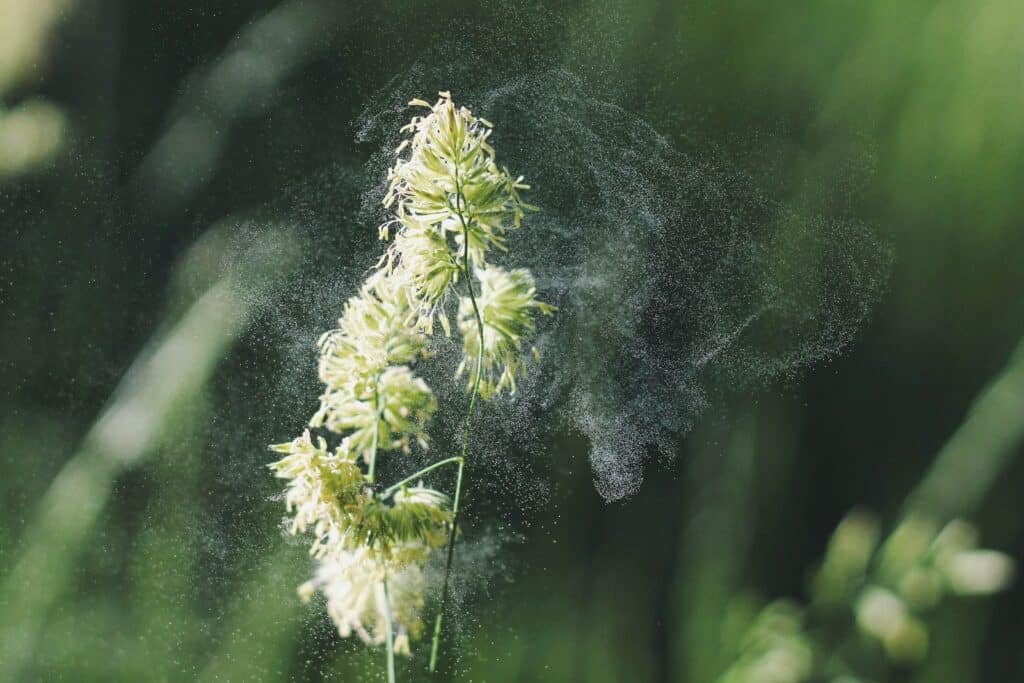
Seasonal allergies happen when your immune system overreacts to things like pollen from trees, grasses, and flowers. Your body sees these as threats and releases histamine and other inflammatory compounds to defend itself.
That’s what leads to symptoms like:
- Sneezing
- Runny or congested nose
- Itchy or watery eyes
- Fatigue
- Brain fog
But it’s not just about the pollen.
Things like your stress levels, gut health, overall inflammation, and immune resilience all play a role in how strongly your body reacts. If your system is already a bit overwhelmed, it tends to respond more intensely.
This is why foods for seasonal allergy relief can make such a difference. They help nourish the systems that regulate immune balance and inflammatory response.

Key Foods for Seasonal Allergy Relief
Quercetin: Supporting Histamine Balance
Quercetin is a plant compound found in a variety of fruits and vegetables, and it’s especially helpful when looking at foods for seasonal allergy relief.
One of its main roles is helping to stabilize histamine release. Since histamine is what drives many allergy symptoms, supporting this process can help reduce how reactive your body feels.
Foods rich in quercetin:
- Onions (especially raw red onions)
- Apples
- Berries
- Grapes
- Broccoli
These are simple, everyday foods, but when eaten consistently, they can become a strong foundation for foods for seasonal allergy relief.

Vitamin C: Immune and Anti-Inflammatory Support
Vitamin C is often associated with immune health, but it also plays a role in managing inflammation and supporting how your body responds to allergens.
It can help:
- Support immune function
- Reduce inflammation
- Provide gentle antihistamine-like effects
- Support respiratory health
Foods rich in vitamin C:
- Citrus fruits (oranges, lemons, limes, grapefruit)
- Tomatoes
- Bell peppers
- Berries
Even small habits, like adding lemon to your water or including fresh fruit with meals, can support you in a simple way.
The Gut-Allergy Connection: Supporting Your Body Naturally
One piece that often gets overlooked with seasonal allergies is gut health.
Your gut plays a major role in how your immune system functions. When it’s supported and balanced, your body tends to be less reactive overall. When it’s not, immune responses, including allergies, can feel more intense.
This is part of why focusing on foods for seasonal allergy relief goes beyond one specific nutrient. It’s about supporting the systems that regulate inflammation and immune response.
Inflammation is a big driver behind allergy symptoms. That constant congestion, pressure, and fatigue often reflect the body being in a heightened inflammatory state.
Certain foods can help gently calm that response:
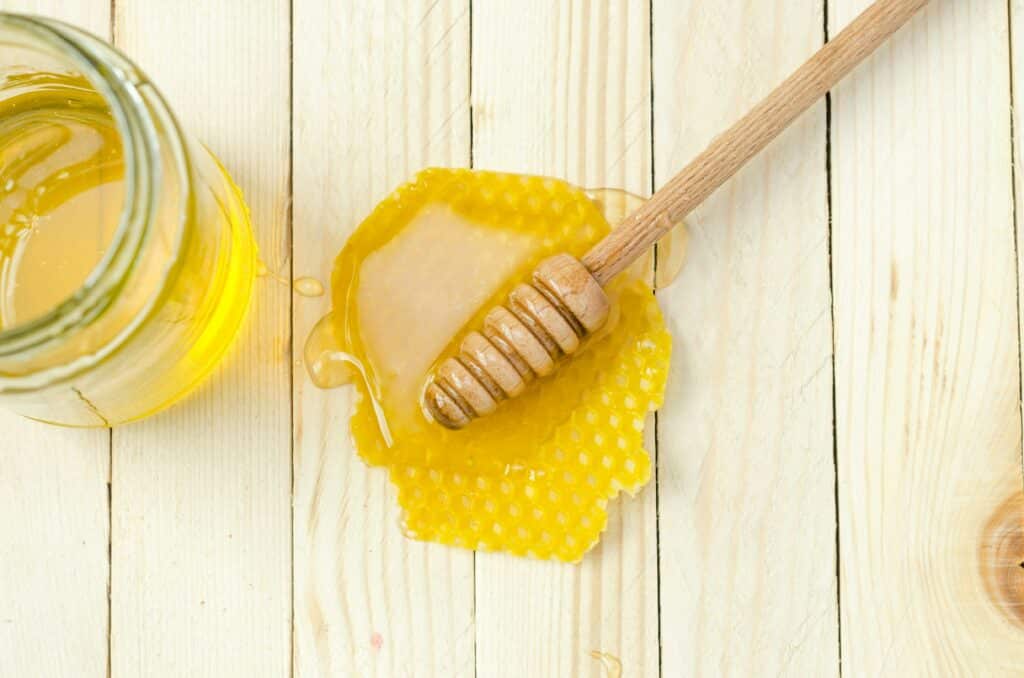
Local Raw Honey
Local honey contains small amounts of pollen from your environment. Some people find that having a small amount daily, like a spoonful in the morning or added to tea, can help the body adapt over time.
Ginger
Supports both digestion and inflammation balance. It has natural antihistamine-like properties and can help calm the body’s response.
Turmeric
Rich in curcumin, which supports inflammation balance. Pairing it with black pepper helps improve absorption.
Garlic
Supports immune function and helps regulate inflammatory pathways, making it a simple but powerful addition during allergy season.
These foods don’t need to be used perfectly. Small, consistent additions can support your body in a noticeable way over time.
How to Start Without Overthinking It
You don’t need to completely change your diet to support your body.
Start simple:
- Add berries or apples to your breakfast
- Include onions in meals where you can
- Use lemon or lime in water or dressings
- Build meals around whole foods
- Focus on consistency over perfection
These small habits are what create long-term change.
Eating Seasonally Makes a Difference
Spring and early summer foods naturally support what your body needs this time of year. They tend to be lighter, more hydrating, and rich in nutrients that help the body feel more balanced.
Fresh greens, herbs, citrus, and seasonal vegetables can help:
- Support digestion
- Provide hydration
- Deliver antioxidants
- Reduce inflammation
When your meals align with the season, your body often responds better to.

Simple Recipes to Support Allergy Season
If you’re looking for practical ways to bring this into your routine, simple recipes are one of the easiest places to start.
A few that work especially well with foods for seasonal allergy relief:
Tuscan White Bean Salad
Fresh, light, and packed with fibre. A great option for supporting digestion while keeping meals simple. Get the recipe.
Grilled Asparagus with Lemon
Seasonal, easy, and full of flavour. The lemon adds brightness and vitamin C, making it a great addition this time of year.
Carrot Turmeric Muffins
A balanced snack with anti-inflammatory ingredients that still feels comforting and satisfying. Get the recipe.
BBQ Salmon with Grilled Corn Salsa
A well-rounded meal with protein, healthy fats, and fresh ingredients that support overall balance. Get the recipe.

Final Thoughts
Seasonal allergies can feel frustrating, especially when they start to impact your energy and daily routine.
But your body isn’t working against you. It’s responding to what’s happening around it.
When you support it with foods for seasonal allergy relief, you’re giving it the tools it needs to respond in a more balanced way.
You don’t need to do everything at once. Start small, stay consistent, and notice how your body begins to shift.
Because often, the most powerful changes come from the simplest habits.