
Workplace Wellness Program: June is the perfect time to support your team
A workplace wellness program has become more than just a “nice to have” in today’s work culture. It’s now something HR Managers and People & Culture leaders are actively trying to get right in a way that actually connects with employees, instead of just ticking a box on a list.
And June is honestly one of the best times of the year to bring it in.
There’s a natural shift happening. People are looking for more energy, more balance, and more structure before summer schedules take over. Between vacations, long weekends, and a general change in routine, June offers a window where teams are still present and receptive. It’s the kind of timing that allows wellness initiatives to actually land.
When I work with organizations, I always notice the same thing: when wellness is introduced at the right time, participation goes up naturally. People don’t need convincing. They just need something that feels relevant to their real life.
That’s really what makes a workplace wellness program work. It has to actually fit into people’s lives.
June is already full of wellness-aligned moments
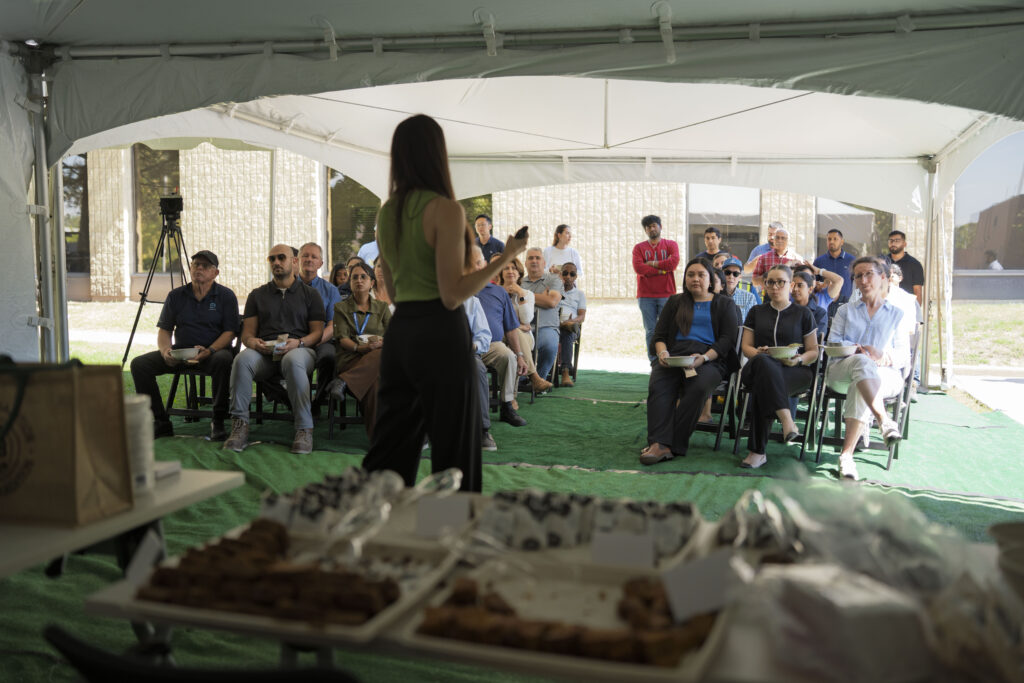
One of the reasons June works so well is that there are already several health and wellness-related observances that teams can naturally connect with. It makes the content feel timely, not forced.
Health Themes for June
World Environment Day (June)
A reminder of how deeply our health is connected to the environment we live in. This is a great entry point for conversations around whole foods, sustainability, and simple lifestyle choices that support both personal and planetary health.
National Health and Fitness Day (June 7th)
A huge opportunity to bring movement and nutrition into the workplace conversation in a grounded, approachable way.
Men’s Mental Health Month (June)
An important reminder that mental health conversations in the workplace need to include everyone. This is often where burnout, stress, and under-support show up quietly.
Father’s Day (June)
A natural moment to reflect on family, caregiving, and the balance between personal life and work responsibilities.
HR Managers and People & Culture Leaders are already thinking about how to engage teams around these themes. The challenge is not the interest level; it’s finding programming that feels practical and not overwhelming.
That’s where a workplace wellness program becomes really valuable.
Why June is the right time to introduce wellness programming
June has a unique rhythm to it. People are still in work mode, but mentally starting to shift toward summer. That in-between space is actually ideal for engagement.
When a workplace wellness program is introduced at this time, it tends to land differently because:
- People are more open to small habit changes before summer travel starts
- Teams are still connected before schedules become scattered
- There’s often more energy compared to the fatigue that builds later in the year
- It creates momentum that carries into the summer months instead of burnout
From an organizational perspective, it also helps set a tone. Instead of waiting for burnout cycles to happen later in the year, you’re proactively supporting your team before they reach that point.
And that shift alone can make a big difference.
National Health and Fitness Day: Where nutrition and movement connect
One of the most impactful ways to bring wellness into the workplace is through simple, realistic education around food and movement.
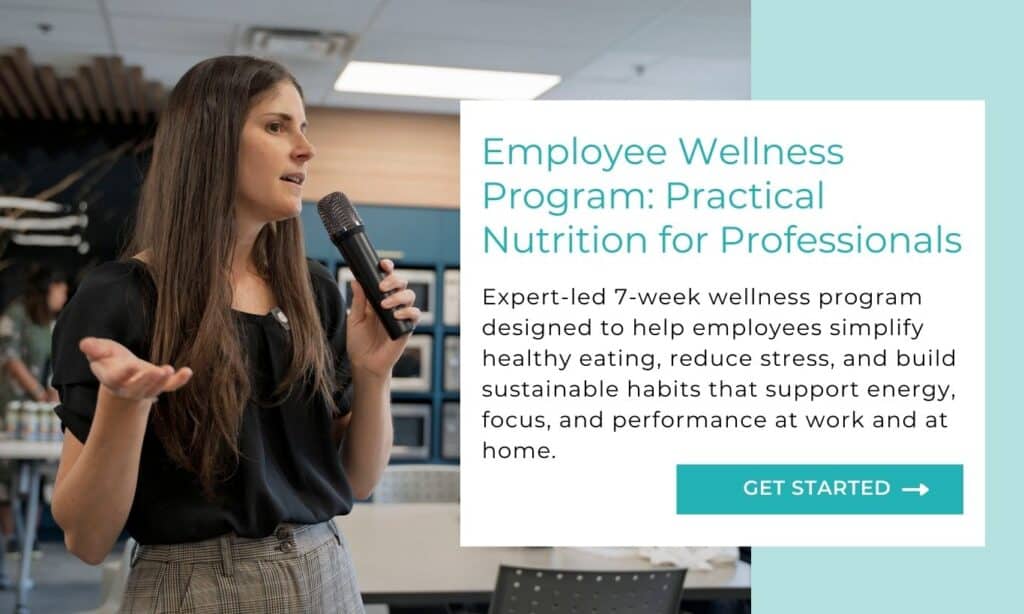
For National Health and Fitness Day (June 7th), I run a session called Build Muscle at Any Age, and it’s a really good example of how a workplace wellness program can feel both practical and empowering.
This session teaches employees how to strengthen their bodies using simple, science-backed nutrition and realistic movement habits. We explore the foods that support muscle growth and recovery, along with approachable strength-building exercises that work for every fitness level.
There’s no extreme approach here. No pressure to overhaul routines overnight. Just clear, usable information that people can actually apply.
The goal is that participants walk away feeling:
- More confident in how they care for their body
- More energized in their daily routine
- Equipped with practical strategies they can use immediately
This is where nutrition really matters in fitness. It’s not just about working out harder; it’s about giving your body what it needs to recover, rebuild, and stay consistent over time.
And when employees understand that connection, it changes how they approach both food and movement in a sustainable way.
Healthy snacking: The most underrated productivity tool
One of the most overlooked parts of workplace wellness is snacking.
It sounds simple, but it has a direct impact on focus, energy, and productivity throughout the workday. Long gaps between meals often lead to energy crashes, irritability, and difficulty concentrating. On the other hand, intentional snacking can help stabilize energy and support consistent output.
This is where healthy snacking education becomes a powerful part of a workplace wellness program.
I often run sessions like:
- Healthy Snacking 101 Lunch & Learn
- Road Trip Snacks Workshop
In Healthy Snacking 101, we break down common myths around snacking and weight gain, while also exploring what a balanced snack actually looks like. Employees walk away with both sweet and savoury ideas they can use immediately at work.
In the Road Trip Snacks session, we focus on practical, real-life situations. Instead of defaulting to gas station food during travel or busy days, we create simple recipes like dill pickle crispy chickpeas and lemon poppy seed bites. It’s about making healthier choices feel accessible, not restrictive.
When employees have this kind of support, something shifts. They’re no longer guessing what to eat between meetings or relying on quick fixes that leave them drained later.
They feel steadier. More focused. More in control of their energy.
And that carries directly into performance.

What HR and People & Culture leaders are really looking for
When organizations reach out about a workplace wellness program, the request usually isn’t just about information. It’s about engagement.
They want something that:
- People actually show up for
- Feels relevant to different lifestyles and fitness levels
- Supports mental and physical health together
- Creates a sense of care within the workplace culture
There’s also a growing understanding that wellness isn’t separate from performance. It directly influences how people think, work, and show up in their roles.
So when wellness programming is done well, it doesn’t feel like an “extra.” It feels like support.
A simple shift that creates long-term impact
I understand how fast-paced workplace environments can be. There’s always another priority, another deadline, another initiative competing for attention.
That’s exactly why wellness needs to be simple and grounded.
A strong workplace wellness program doesn’t try to change everything at once. It focuses on small, meaningful shifts:
- Better awareness around nutrition
- Practical stress and energy support
- Accessible education that fits into real schedules
Over time, those small shifts add up in a big way.
Employees start to feel better. Teams become more engaged. And workplace culture naturally starts to feel more supported.
Final thoughts
June is one of those months where everything aligns. There’s awareness, energy, and a natural openness to change. It’s a moment where organizations can introduce wellness in a way that actually resonates.
A workplace wellness program isn’t about doing more. It’s about doing things more intentionally, in a way that supports real people with real lives.
And when that happens, the impact goes far beyond a single session or initiative. It becomes part of how a workplace operates and supports its people long-term.