
Basic Nutrition Tips: A Balanced and Sustainable Approach to Carbs, Protein, and Fats
Nutrition doesn’t need to feel overwhelming. Between trending diets, conflicting headlines, and social media, it’s easy to lose sight of what truly matters. The reality? Most of the time, health comes back to the fundamentals and the basic nutrition tips I’m sharing today.
When you understand how carbohydrates, protein, and fats function in your body, you can make informed choices without fear or restriction. These basic nutrition tips are designed to simplify the science, clear up common misconceptions, and help you feel more confident about how you fuel yourself!

Now, let’s break it down in a way that actually makes sense.
Carbohydrates: Fuel, Not the Enemy
Carbohydrates have developed an unfair reputation over the years. In reality, they are your body’s preferred energy source.
Your brain relies on glucose (which comes from carbohydrates) to function properly. Your muscles depend on carbs during workouts, especially during high-intensity training. After exercise, carbs help to replenish glycogen stores so you can recover effectively and perform well the next time!
Not All Carbs Are Equal
Where confusion often happens is in the type of carbs being consumed.
Complex carbohydrates include:
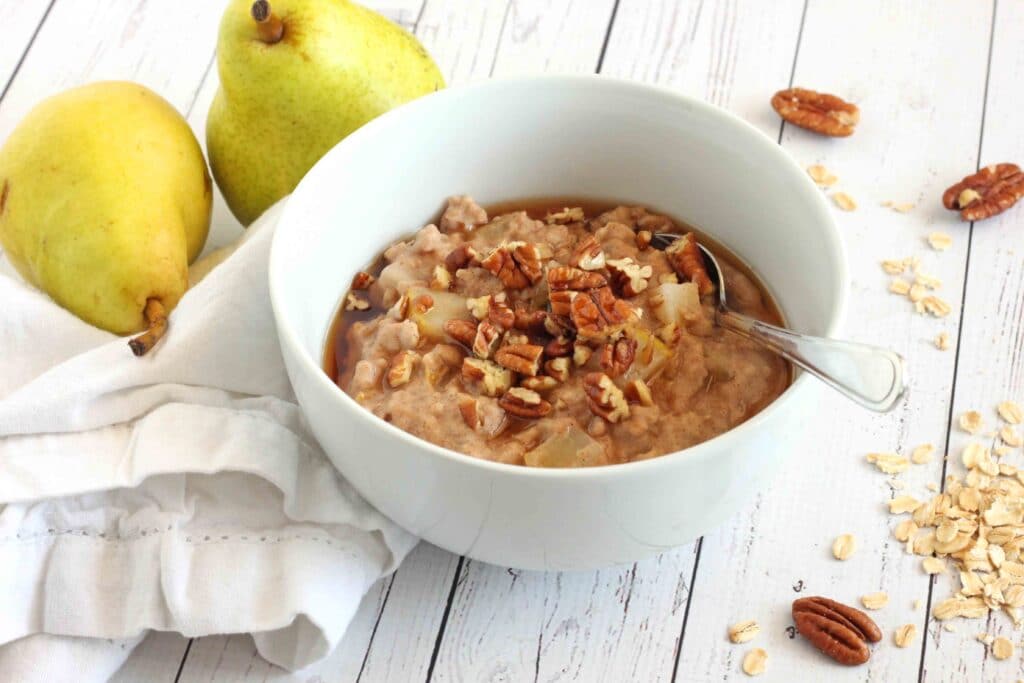
- Whole grains (oats, brown rice, quinoa, spelt)
- Fruits
- Vegetables
- Legumes
These choices provide fibre, vitamins, minerals, and steady, sustained energy to tackle your busy schedule. Since they digest more slowly, they help stabilize blood sugar and keep you feeling full longer.
Simple carbohydrates, on the other hand, include:
- Refined sugars
- Highly processed baked goods
- Sugary drinks
When overconsumed, they can lead to quick energy spikes followed by crashes. However, this doesn’t mean they need to be eliminated entirely. Balance and context matter more than restriction.
One of the most practical basic nutrition tips is this: instead of cutting carbs, upgrade them! Focus on quality, portion awareness, and pairing them strategically.
Pairing for Stability
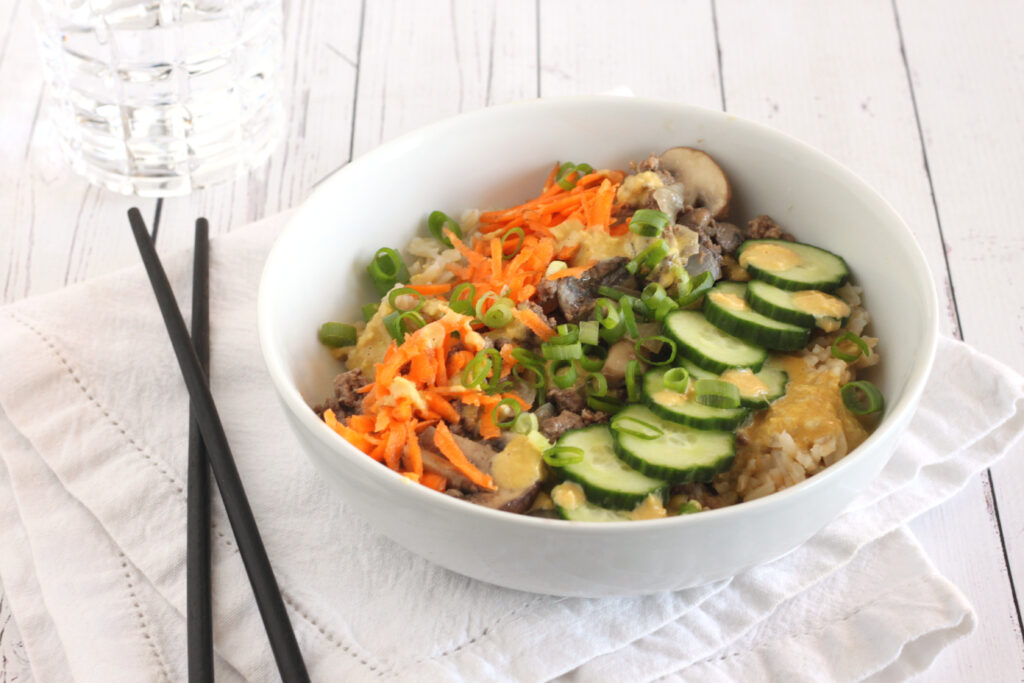
Carbohydrates work best when combined with protein and healthy fats. This combination helps your body to:
- Slow digestion
- Stabilize blood sugar
- Reduce cravings
- Improve satiety
Think: oatmeal with Greek yogurt and berries, rice with salmon and vegetables, or an apple with your favourite nut butter. Simple shifts like these can dramatically improve energy and focus throughout your day.
Carbs aren’t the problem. Misinformation is!
Protein: More Than a Muscle Nutrient
Protein is often marketed as a “gym nutrient”, but its role extends far beyond building muscle.
It is essential for:
- Muscle repair and growth
- Hormone production
- Enzyme function
- Immune support
- Hair, skin, and nail health
It is a foundational nutrient that keeps your body functioning optimally.
Protein Supports Energy and Appetite Control
One of protein’s most powerful benefits is its ability to promote fullness. Including protein at each meal helps to:
- Stabilize blood sugar
- Reduce mid-day energy dips
- Improve focus
- Support metabolism
If you often feel hungry shortly after eating, the solution may not be “eating less”, but rather improving the balance of your meals.

Animal and Plant Sources
Both animal and plant proteins can support a healthy diet.
Animal sources include:
Plant sources include:
- Lentils
- Tofu and tempeh
- Chickpeas and beans
- Nuts and seeds
Quality and consistency matter more than perfection. Whether your diet leans more plant-based, meat-heavy, or somewhere in between, aim for variety and balance!
Spread Protein Out Throughout The Day
Instead of consuming most of your protein at dinner, aim to distribute it evenly across the day. This supports better muscle protein synthesis, sustained energy, and metabolic health.
A simple, but powerful application of basic nutrition tips: build every meal around a protein source first, then add carbohydrates and fats to create balance.

Fats: Essential for Hormones and Brain Health
Fats have been misunderstood for decades, yet they are essential for overall health.
Healthy fats support:
- Brain function
- Hormone production
- Cell structure
- Absorption of vitamins A, D, E and K
- Long-lasting satiety
Removing fats entirely often leaves meals feeling unsatisfying and can negatively impact hormonal balance over time.
Different Types of Fat
Understanding fat quality is key.
Unsaturated fats (generally supportive):
These support heart health and help regulate inflammation.
Saturated fats (best in moderation):
- Coconut oil
- Dairy products
- Grass-fed meats
These can fit into a balanced diet when consumed mindfully and alongside plenty of fibre-rich foods.
Trans fats (limit or avoid):
- Highly processed packaged snacks
- Some fried fast foods
These are associated with increased cardiovascular risk and offer minimal nutritional value.
Why Fats Improve Meal Quality
Adding healthy fats to meals can:
- Slow digestion
- Enhance flavour and satisfaction
- Improve nutrient absorption
- Help stabilize energy
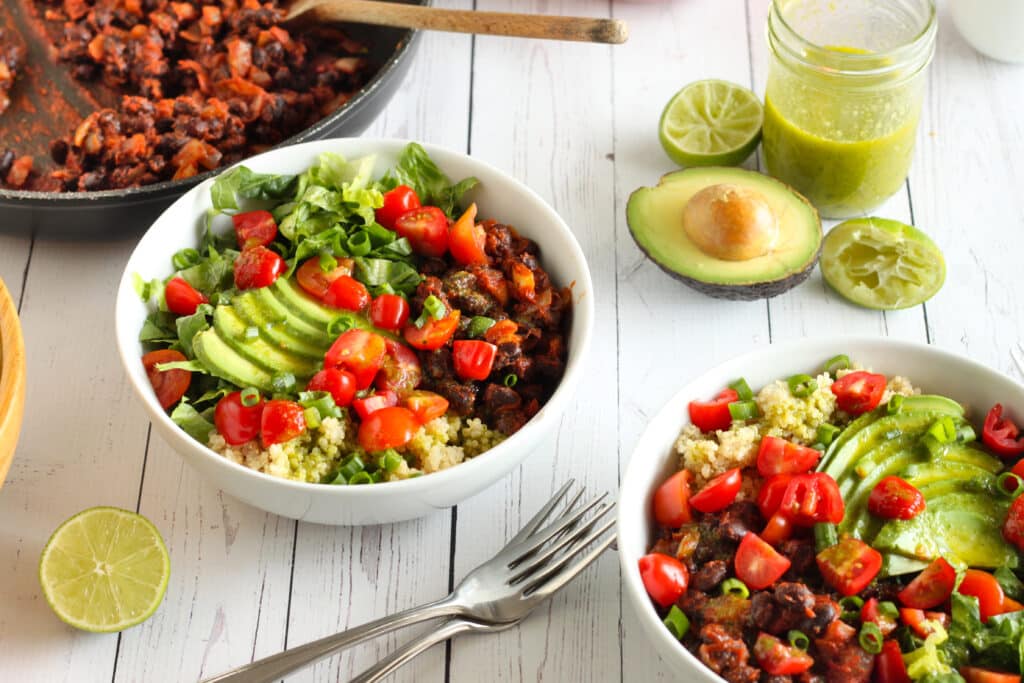
A drizzle of olive oil, a handful of nuts, or sliced avocado can take the nutritional value of a meal to the next level.
Fat isn’t something to fear; it’s something to use intentionally!

Building a Balanced Plate
If there’s one theme that runs through all of this, it’s balance.
Extreme elimination rarely leads to long-term sustainability. Instead, aim to build meals that include:
- A complex carbohydrate
- A quality protein
- A healthy fat
- Fibre from fruits and vegetables
This combination supports steady energy, improved focus, better recovery, and long-term health.
These basic nutrition tips are not about dieting; they’re about building a sustainable relationship with food that helps you feel strong, energized, and empowered!
Quick and Healthy Dinner Recipes
If you are looking for balanced dinner ideas, check out my free cookbook, Quick and Healthy Dinner Recipes. It contains nutrient-dense meals that are perfect for busy week nights.
The recipes are simple, easy to follow, and perfect for busy professionals. I even included on-demand cooking classes that walk you through every step of the process, so you can cook with confidence and ease. This cookbook shows you how to create balanced meals without feeling overwhelmed or deprived.
